

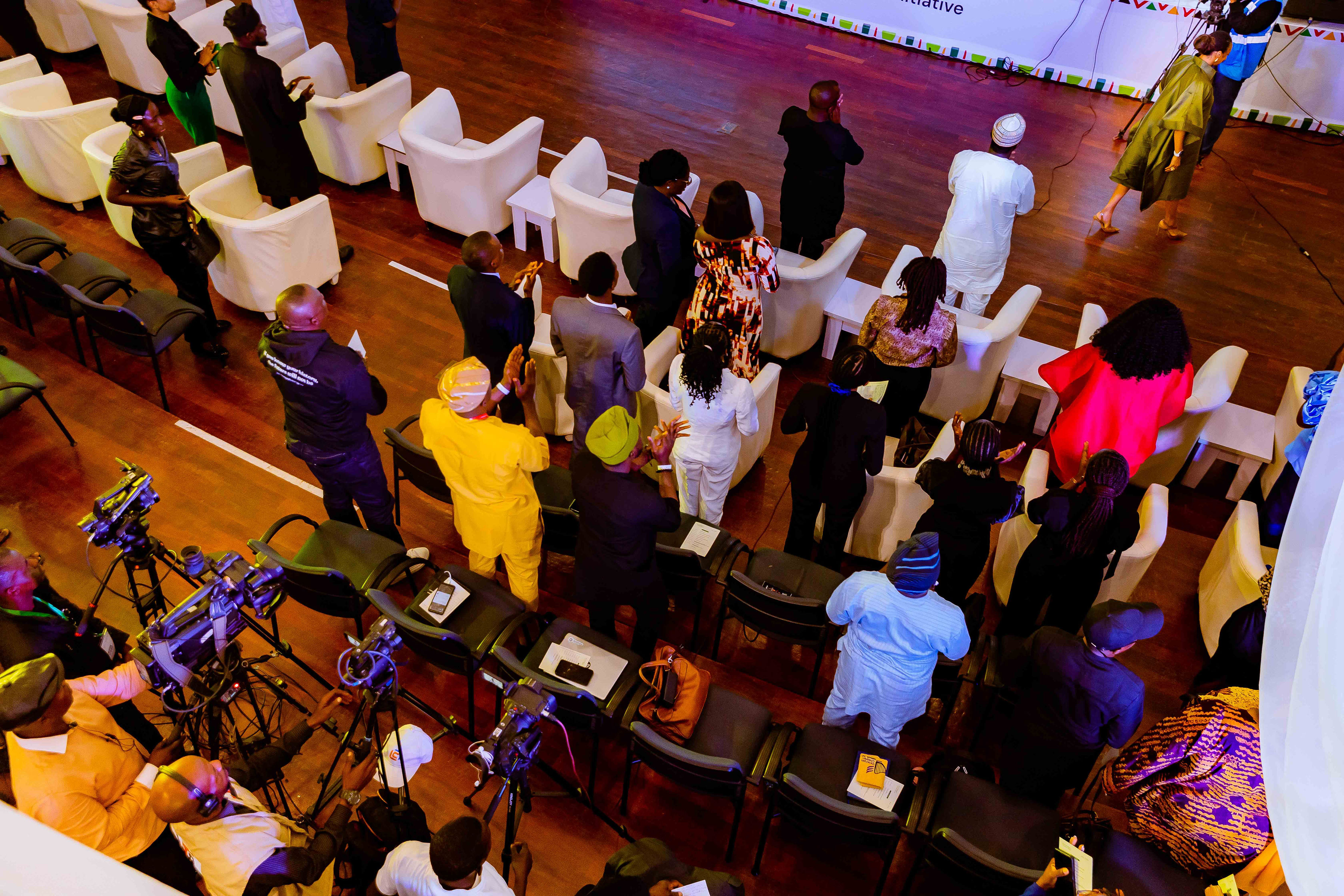


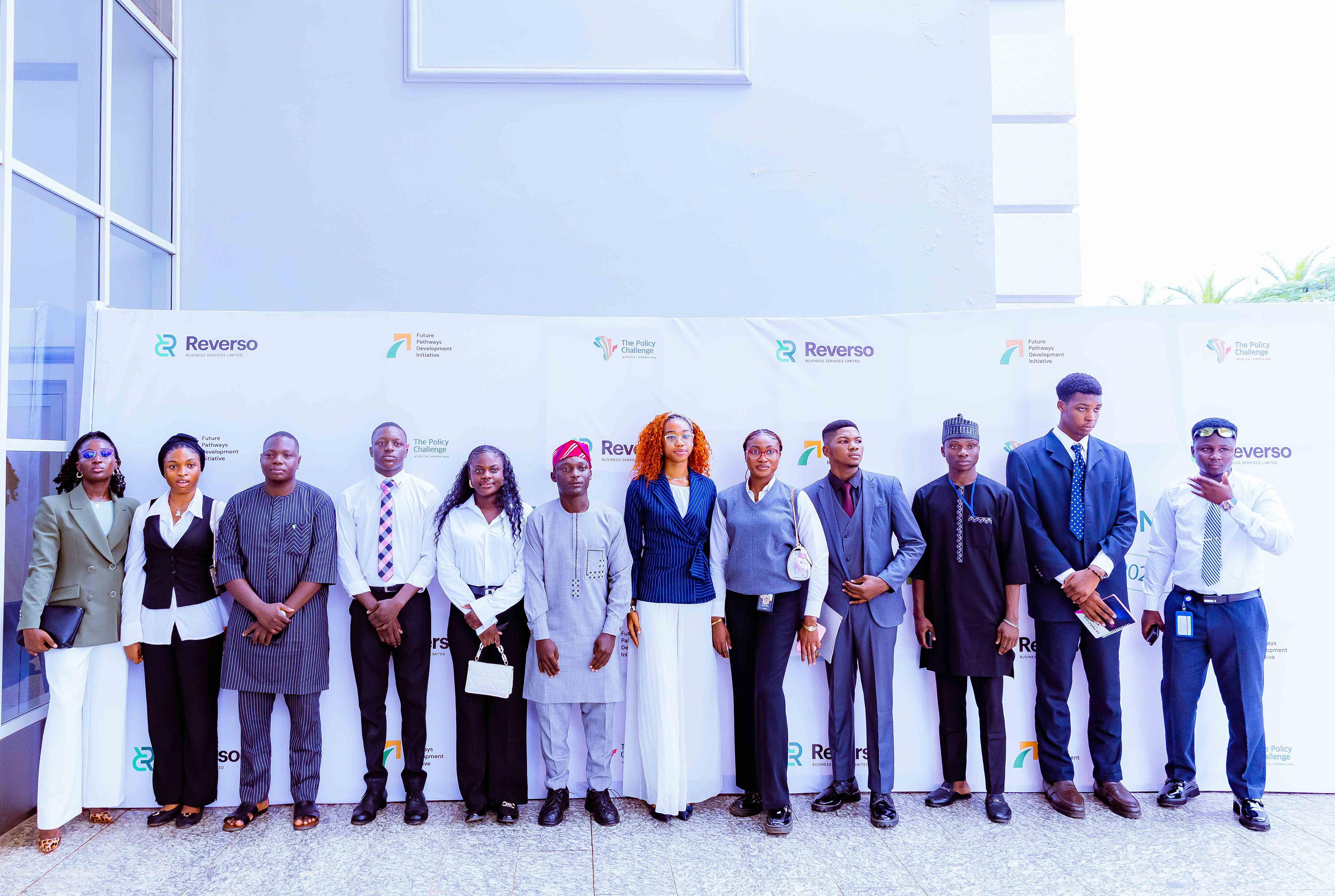
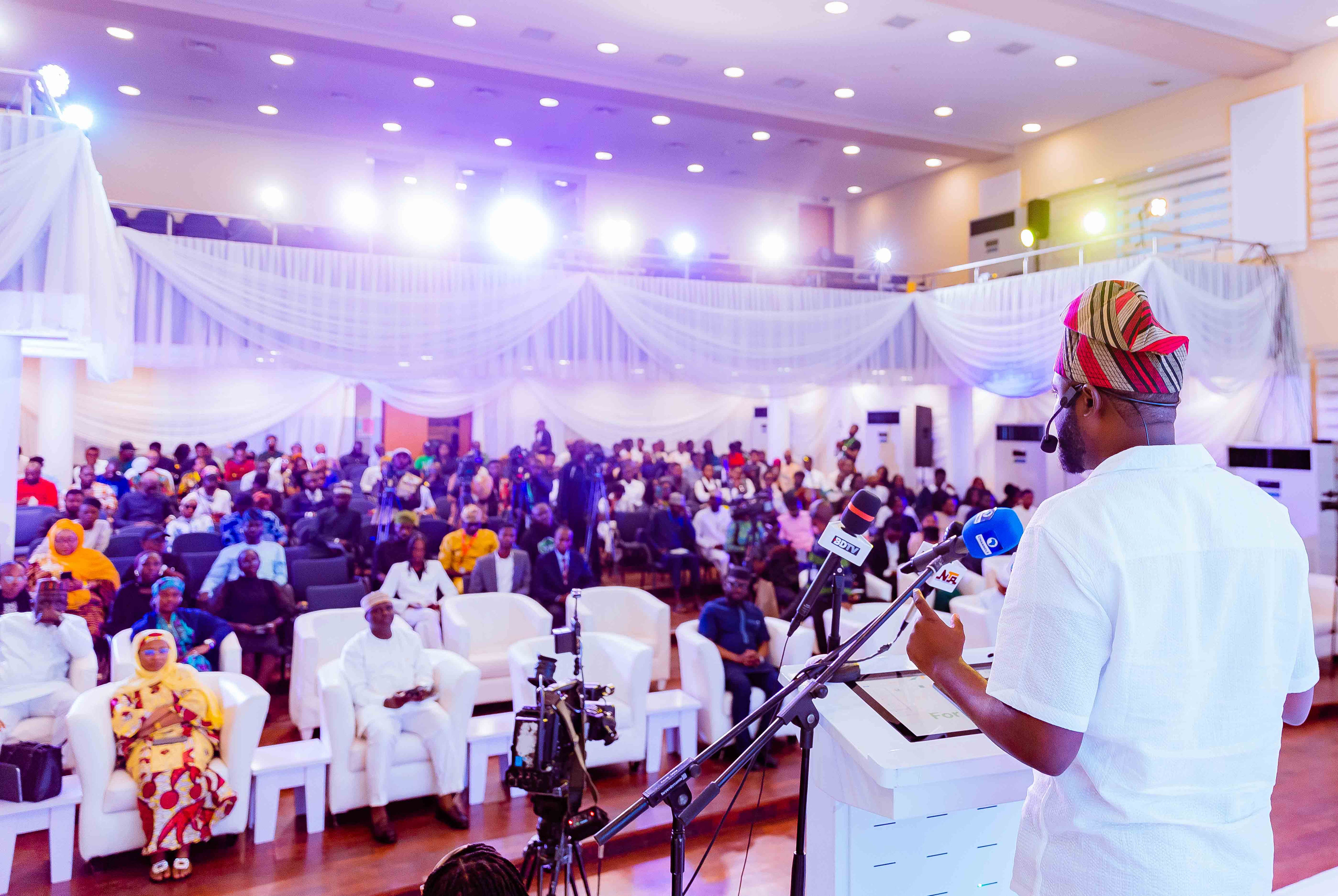
The Policy Challenge is a competition convening Africa’s brightest young minds (thinkers, & emerging leaders) in tertiary institutions to propose well-researched, innovative policy ideas to Nigeria’s most pressing governance and development challenges.
The initiative invites undergraduates to engage in rigorous policy thinking and collaborative problem-solving. Participants develop evidence-based proposals that addresses a center theme, while gaining exposure to the processes that shape public policy.
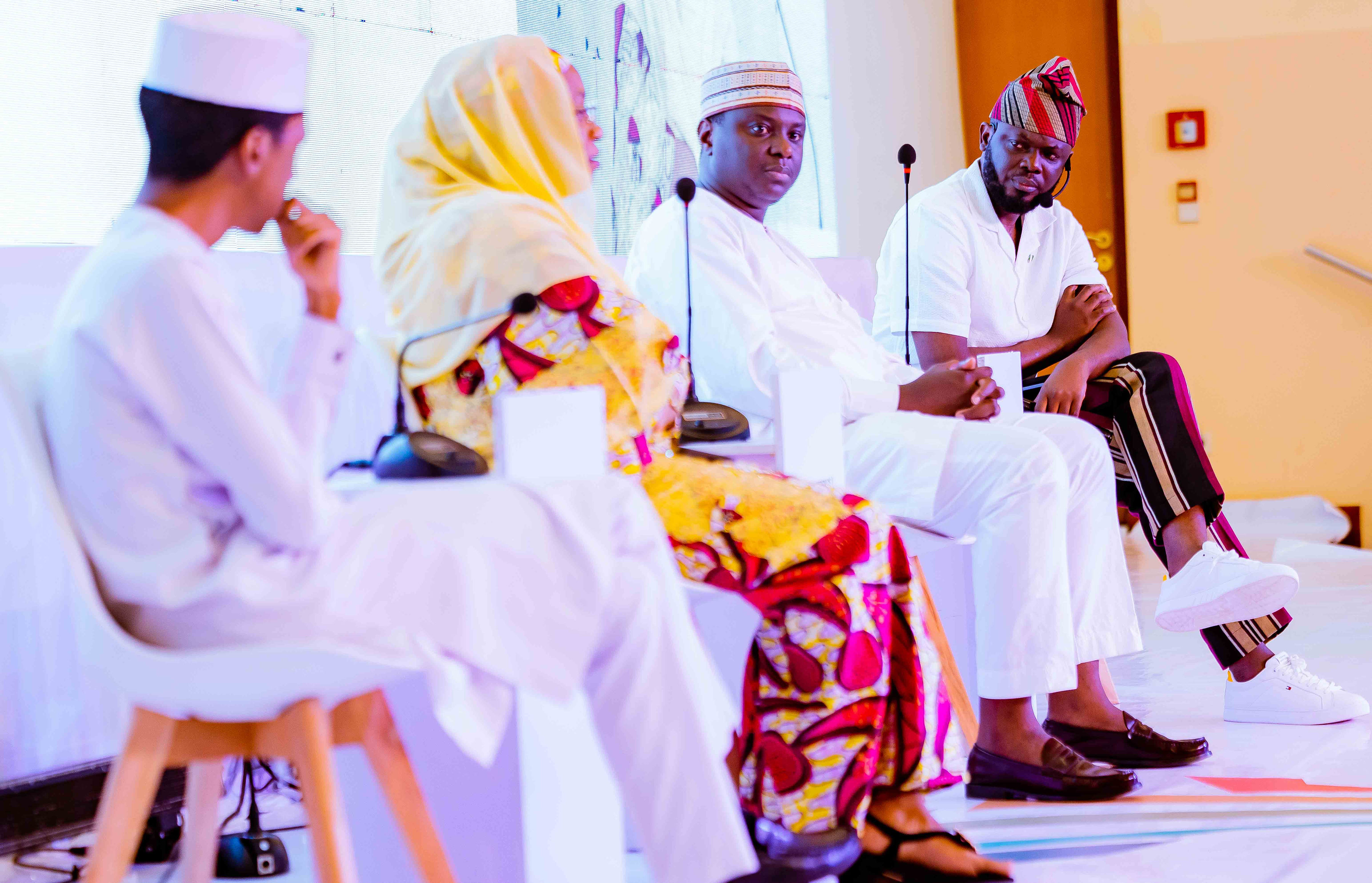
Through the competition, participants strengthen their ability to analyze complex problems, design implementable policy solutions, and communicate ideas that can influence decision-making. The Policy Challenge also provides opportunities for mentorship, collaboration, and engagement with experts working across policy, governance, academia, and development.
By creating a space where emerging voices can contribute meaningful ideas, the Policy Challenge aims to bridge the gap between policy design and real-world implementation, while cultivating a new generation of leaders equipped to shape Nigeria’s future.
Trust in public institutions is foundational to the functioning of any democracy. When citizens doubt the integrity, competence, or fairness of state institutions, it undermines social contracts, weakens civic participation, and creates fertile ground for instability. Nigeria's governance landscape has long been challenged by perceptions of institutional corruption, weak rule of law, elite capture, and the exclusion of marginalized groups from meaningful participation in governance. The 2023 Afrobarometer survey found that a significant proportion of Nigerians express low trust in key public institutions, including the judiciary, police, legislature, and electoral bodies — a trend that threatens the long-term stability and cohesion of the Nigerian state.
Rebuilding institutional trust requires more than rhetoric; it demands deliberate structural reforms that make institutions more legitimate in the eyes of citizens, more effective in delivering public goods, and more inclusive in representation and participation. This is consistent with Goal 16 of the 2030 Agenda — Peace, Justice and Strong Institutions — which calls on governments, civil society, and communities to build accountable and inclusive institutions at all levels.
© Copyright 2026 - Policy Challenge. All Right Reserved

 3rd Floor, Coscharis Building, Plot 338 Constitution Avenue,
Central Business District, Abuja
3rd Floor, Coscharis Building, Plot 338 Constitution Avenue,
Central Business District, Abuja contact@policychallenge.com